
In texting slang, “crack” usually means something extremely funny or entertaining, or it can refer to teasing, joking, or playful talk depending on context. In casual chats, people often use it to describe humor, jokes, or lively conversation.
Meaning and Explanation
Crack Meaning in Text
The crack meaning in text often refers to humor, joking, or playful conversation. When someone says something “is crack,” they usually mean it’s really funny or entertaining.
Example:
- “That video you sent was crack.”
- “Your jokes are pure crack today.”
In these examples, the word suggests something hilarious or amusing.
Crack Slang Meaning
The crack slang meaning depends heavily on context. In casual internet conversations, it may mean:
- Something very funny
- Joking or playful teasing
- Energetic or entertaining conversation
- Sometimes exaggeration or chaos in a humorous way
For instance:
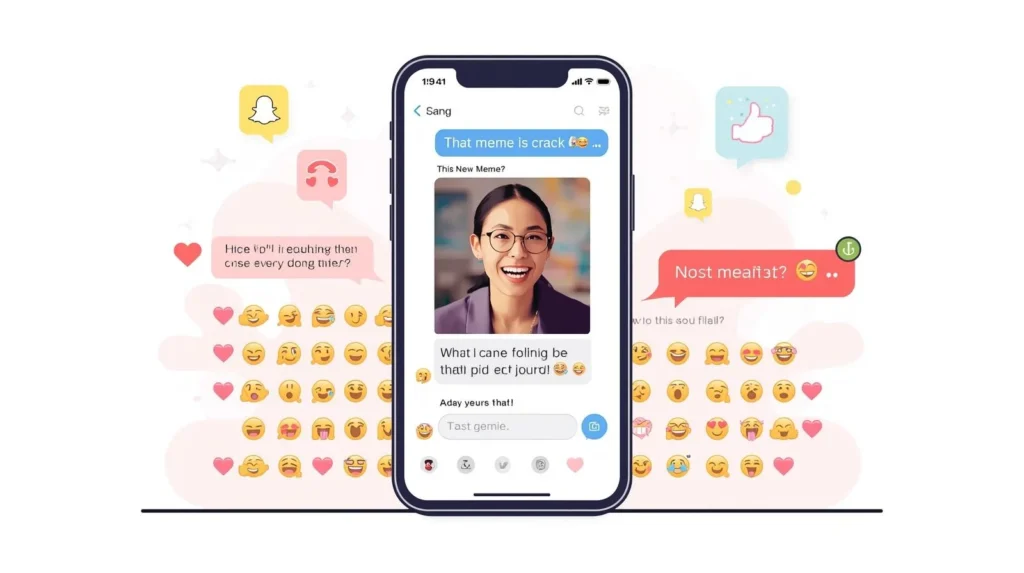
A: That meme you posted was crack.
B: I knew you’d like it.
Here the slang simply means very funny.
What Does Crack Mean in Chat?
In chat conversations, the word “crack” often describes humorous content or playful behavior.
Example conversation:
A: That group chat last night was pure crack.
B: I know, I couldn’t stop laughing.
It can also describe someone who is acting silly or joking a lot.
Example:
A: Why are you acting so crack today?
B: Just in a good mood.
Crack Meaning on Snapchat
On Snapchat, “crack” often appears when people react to something funny.
Examples:
- “Your snap was crack.”
- “This filter is crack.”
Because Snapchat focuses on quick reactions and humor, slang like this spreads quickly.
Crack Meaning on Instagram, TikTok, and WhatsApp
Crack Meaning on Instagram
On Instagram, people may use the slang in captions or comments.
Examples:
- “This reel is crack.”
- “The comments are crack.”
It simply means the content is extremely funny or entertaining.
Crack Meaning on TikTok
TikTok videos often use slang describing humor.
Example caption:
- “This trend is crack.”
In this context, it means the trend is hilarious or chaotic in a fun way.
Crack Meaning on WhatsApp
On WhatsApp, the slang often appears in group chats.
Example:
Friend 1: That voice note was crack.
Friend 2: I couldn’t stop laughing.
This type of casual messaging reflects modern digital communication habits.
Is Crack an Acronym, Short Form, or Something Else?
Unlike many internet slang terms, “crack” is not an acronym.
Here’s how it fits into slang categories:
| Type | Does Crack Fit? | Explanation |
|---|---|---|
| Acronym | No | It’s a full word |
| Short form | No | Not shortened |
| Phonetic spelling | No | Normal spelling |
| Slang expression | Yes | Meaning changed in casual speech |
The slang developed through informal conversation and internet culture rather than abbreviations.
Tone and Context Variations
The meaning of “crack” can change depending on tone.
Funny Tone
Most commonly, it expresses humor.
Example conversation:
A: That meme you posted is crack.
B: I knew it would make you laugh.
A: I’ve watched it five times already.
Here the word emphasizes how funny the content is.
Sarcastic Tone
Sometimes it’s used sarcastically when something is chaotic.
Example:
A: That meeting turned into crack.
B: Total disaster.
A: Nobody knew what was happening.
Here the term highlights confusion or chaos humorously.
Romantic Tone
Occasionally people use it playfully in relationships.
Example:
A: You’re crack today.
B: Why?
A: Because you keep making me laugh.
The slang adds a playful and affectionate tone.
Angry Tone
Rarely, the word can express frustration.
Example:
A: Why are you acting like crack right now?
B: What do you mean?
A: Just calm down.
In this case it implies wild or chaotic behavior.
Playful Tone
Most conversations use it in a lighthearted way.
Example:
A: This chat is crack tonight.
B: Everyone’s in a funny mood.
A: Best group chat ever.
Real Chat Examples (Natural and Relatable)
A: That video was crack.
B: Right? I couldn’t stop laughing.
A: I’m sending it to everyone.
A: The group chat last night was crack.
B: I know.
A: I stayed up reading the messages.
A: Your joke was crack.
B: Glad you liked it.
A: You should be a comedian.
A: That meme page is crack.
B: I follow it too.
A: Their posts are hilarious.
A: The comments on that post are crack.
B: I spent ten minutes reading them.
A: Same here.
A: This TikTok trend is crack.
B: Everyone is doing it.
A: It’s so funny.
A: That prank video was crack.
B: I laughed so hard.
A: Send me more like that.
A: Your voice note was crack.
B: I was just joking around.
A: It made my day.
A: That filter is crack.
B: I can’t stop using it.
A: Same.
A: That story you told was crack.
B: It actually happened.
A: No way.
A: This conversation is crack.
B: We’re both in a silly mood.
A: Definitely.
Grammar and Language Role
Part of Speech
In slang, “crack” often acts as an adjective or noun describing humor.
Examples:
- “That video is crack.”
- “The chat was crack.”
Sentence Position
It can appear in different places.
Beginning:
Crack video.
Middle:
That meme is crack.
End:
That joke was crack.
Can It Replace a Full Sentence?
Not usually, but it can appear as a reaction.
Example:
A: Did you see that clip?
B: Crack.
Here it means “that was hilarious.”
Tone Impact
Using “crack” adds:
- Humor
- Casual tone
- Playfulness
It signals informal conversation.
Formal vs Informal Use
This slang is strictly informal.
Avoid using it in:
- Work emails
- Academic writing
- Professional communication
Instead use words like:
- Funny
- Entertaining
- Humorous
How to Reply When Someone Says Crack
Funny Reply
- “I know, it’s hilarious.”
- “Best thing I’ve seen today.”
Example:
A: That meme was crack.
B: Wait until you see the next one.
Serious Reply
- “Glad you liked it.”
- “It made me laugh too.”
Example:
A: Your video was crack.
B: Thanks.
Flirty Reply
- “Only because you’re watching it.”
- “I’ll send you more funny things.”
Example:
A: That clip was crack.
B: I have another one for you.
Neutral Reply
- “Yeah, it was funny.”
- “True.”
Example:
A: That video was crack.
B: Definitely.
Comparison With Other Chat Terms
| Term | Meaning | Formal/Informal | Tone | Popularity | Risk of Misunderstanding |
|---|---|---|---|---|---|
| Crack | Very funny or chaotic | Informal | Humorous | Medium | Medium |
| IDK | I don’t know | Informal | Neutral | Very high | Low |
| ION | I don’t | Informal | Casual | Medium | High |
| Dunno | Don’t know | Semi-informal | Relaxed | Medium | Low |
| IDC | I don’t care | Informal | Dismissive | High | Medium |
Unlike these terms, crack focuses on humor or entertainment.
Who Uses This Term?
Age Groups
The slang is used mainly by:
- Teenagers
- Young adults
- Online communities
Gen Z vs Millennials
- Gen Z: More likely to use it casually online
- Millennials: May recognize it but use it less often
Regional Use
The slang appears most often in:
- United States
- United Kingdom
- Ireland
- Online global communities
In Ireland and the UK, “crack” (often spelled craic) has long meant fun or lively conversation.
Platforms Where It’s Common
You’ll often see it on:
- TikTok
- Snapchat
- Discord
These platforms encourage casual chat phrases and humor.
Origin and Internet Culture Insight
Historical Background
The slang comes from Irish slang “craic,” meaning fun, gossip, or entertainment.
Over time, the spelling “crack” appeared in informal English online conversations.
TikTok Influence
TikTok helps revive humorous slang terms by spreading them through:
- memes
- funny videos
- viral comments
Meme Culture
Memes play a huge role.
For example:
- “This meme is crack.”
Such phrases quickly spread across platforms.
Fast Typing Culture
Online communication encourages quick emotional reactions, so people use short expressions like “crack” instead of writing longer sentences.
Safety and Appropriateness
Is Crack Rude?
No, not in this context.
However, the word may also refer to illegal substances in other contexts, so tone matters.
Is It a Bad Word?
No.
When used in slang for humor, it’s harmless.
Should You Use It in School or Office?
It’s better to avoid slang like this in formal settings.
Instead say:
- Funny
- Entertaining
- Amusing
Experience-Based Insight
In real social media conversations, people often use “crack” when reacting to funny content in group chats or comment sections. It’s commonly used as a quick way to say something made them laugh a lot, especially in meme culture.
Frequently Asked Questions
What does crack mean in text?
In slang, “crack” usually means something very funny or entertaining.
Is crack rude?
No. It’s usually used in a playful or humorous way.
What does crack mean on Snapchat?
On Snapchat, it typically refers to funny snaps, videos, or messages.
Is crack the same as IDK?
No.
- Crack = something funny
- IDK = I don’t know
Can adults use crack slang?
Yes, but it’s mostly used by younger people in casual chats.
How do you respond to crack?
You can reply with:
- “Right? It’s hilarious.”
- “Glad you liked it.”
- “I couldn’t stop laughing either.”
Does crack always mean funny?
No. Context matters, and it can also describe chaotic or lively situations.
Summary
The slang word “crack” is commonly used in casual conversations to describe something very funny, entertaining, or playful. While the term has different meanings depending on context, in texting and internet slang it usually refers to humor.
Usage Tips
Use “crack” when:
- Talking about funny content
- Reacting to memes or jokes
- Chatting casually with friends
Common Mistakes
Avoid:
- Using it in formal communication
- Confusing it with unrelated meanings
- Using it where people might misunderstand
When to Use and When to Avoid
Use it in:
- Text messages
- Group chats
- Social media conversations
Avoid it in:
- Workplace communication
- Academic writing
- Professional emails