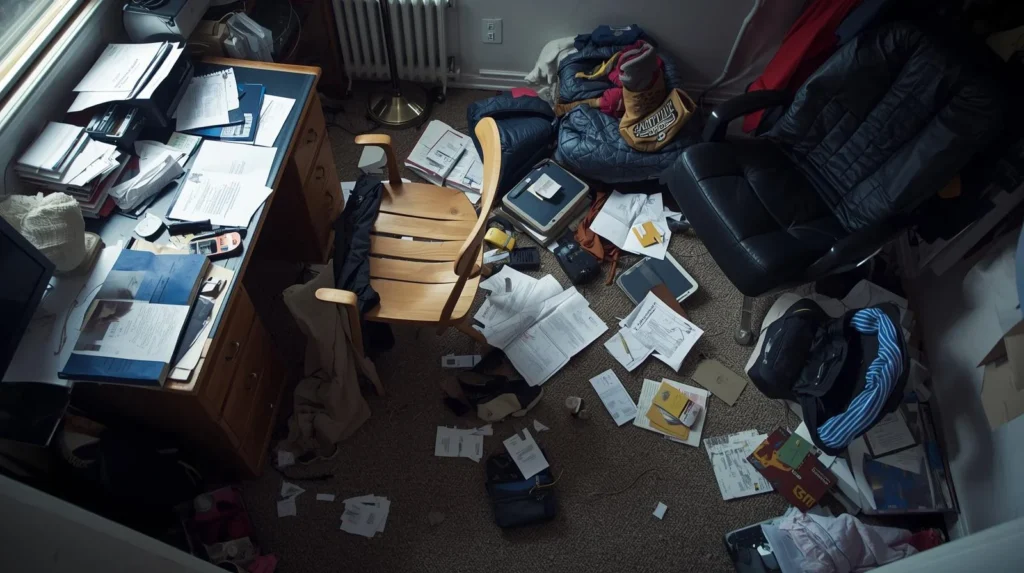

You’ve probably heard someone say, “Everything went helter skelter,” or seen it used to describe a messy situation.
But what does helter skelter really mean?
People search this phrase because it sounds dramatic, slightly old-fashioned, and confusing. Is it about chaos? Speed? Panic? Or something darker?
This article clears that confusion—plainly, honestly, and with real-life examples you’ll recognize immediately.
What Does Helter Skelter Mean – Quick Meaning
Helter skelter means done in a wild, disorganized, rushed, or chaotic way—often without planning or order.
In simple terms:
- Things are all over the place
- Actions feel hurried or uncontrolled
- There’s confusion instead of structure
Quick examples:
- “The morning routine turned helter skelter after the power went out.”
- “She packed her suitcase in a helter skelter rush.”
- “The office was helter skelter before the deadline.”
Origin & Background
The phrase helter skelter dates back to 16th-century England.
Originally, it described:
- Running downhill
- Moving fast without control
- Rushing headfirst into something
Over time, it evolved from physical movement to emotional and situational meaning—describing chaos, disorder, and lack of planning.
In British English, it also became the name of a spiral slide at fairs, reinforcing the idea of fast, uncontrolled movement.
Later, pop culture gave it darker associations, but in everyday language, helter skelter simply means chaotic or disorganized.
Real-Life Conversations (MANDATORY)
WhatsApp Chat
Person A: Why is your room such a mess?
Person B: Deadline week. Everything’s gone helter skelter.
Instagram DMs
Person A: That trip looked stressful.
Person B: It was! Flights delayed, bags lost—total helter skelter energy.
Text Messages
Person A: How was your morning?
Person B: Kids late, coffee spilled, emails blowing up. Absolute helter skelter.
These conversations show how naturally the phrase fits everyday chaos.
Emotional & Psychological Meaning
People connect with “helter skelter” because it mirrors how modern life feels.
Emotionally, it reflects:
- Overwhelm
- Mental clutter
- Loss of control
- Rushed decision-making
Psychologically, using the phrase helps people normalize chaos. Instead of blaming themselves, they label the situation—and move on.
It often signals:
- Burnout
- Stress overload
- Multitasking gone wrong
- Life moving faster than expected
Usage in Different Contexts
Social Media
Used humorously or dramatically:
- “My sleep schedule is helter skelter.”
- “This week’s vibe: helter skelter.”
Friends & Relationships
Casual and expressive:
- “Our plans went helter skelter, but we survived.”
Work or Professional Settings
More cautious but still useful:
- “The project started helter skelter but improved with structure.”
Casual vs Serious Tone
- Casual: relatable chaos
- Serious: warning sign of poor planning
Common Misunderstandings
❌ What People Get Wrong
- Thinking it always means panic (it doesn’t)
- Assuming it implies violence (not in normal use)
⚠️ When Meaning Changes
- In historical or cultural discussions, it may carry heavier context
- In casual speech, it’s harmless and descriptive
🚫 When NOT to Use It
- Formal legal writing
- Sensitive historical discussions without context
- Situations requiring precise language
Comparison Table
| Term | Meaning | Tone |
|---|---|---|
| Helter skelter | Chaotic, disorganized | Neutral–casual |
| Messy | Untidy but calm | Mild |
| Scattered | Mentally unfocused | Reflective |
| Orderly | Structured and planned | Positive |
| Systematic | Carefully organized | Professional |
Key Insight:
“Helter skelter” describes movement and momentum, not just mess.
Variations / Types of Helter Skelter (10)
- Emotional helter skelter – Feelings all over the place
- Mental helter skelter – Racing thoughts
- Workplace helter skelter – Poor planning chaos
- Morning helter skelter – Rushed daily routine
- Travel helter skelter – Disorganized trips
- Family helter skelter – Busy household energy
- Digital helter skelter – Notification overload
- Creative helter skelter – Ideas without structure
- Social helter skelter – Overbooked schedule
- Life helter skelter – Everything happening at once
How to Respond When Someone Uses It
Casual Replies
- “Yeah, those days happen.”
- “Sounds familiar.”
Funny Replies
- “Helter skelter is my brand now.”
- “Chaos but make it aesthetic.”
Mature / Confident Replies
- “It was hectic, but I’ve got it under control now.”
Private or Respectful Replies
- “That sounds overwhelming—hope things settle soon.”
Regional & Cultural Usage
Western Culture
Common in UK and US English for everyday chaos.
Asian Culture
Understood through English media, often used humorously.
Middle Eastern Culture
Less common, but recognized in professional or global English contexts.
Global Internet Usage
Popular in captions, memes, and lifestyle posts describing burnout or busy lives.
FAQs
Is helter skelter a slang word?
No. It’s an old English phrase still used casually today.
Is helter skelter negative?
Not always. It’s often neutral or lightly humorous.
Can helter skelter describe emotions?
Yes. It’s commonly used for emotional or mental chaos.
Is it formal English?
It’s informal but acceptable in semi-professional writing.
Does helter skelter mean dangerous?
Only in specific historical contexts—not in everyday use.
Can I use it in writing?
Yes, especially in narratives, blogs, or conversational tone.
Conclusion
So, what does helter skelter mean?
It’s a vivid, human way to describe moments when life feels rushed, scattered, and slightly out of control—something we all experience.
Used thoughtfully, it adds personality and honesty to language.
Used casually, it connects people through shared chaos.
And honestly? A little helter skelter now and then just means you’re living.