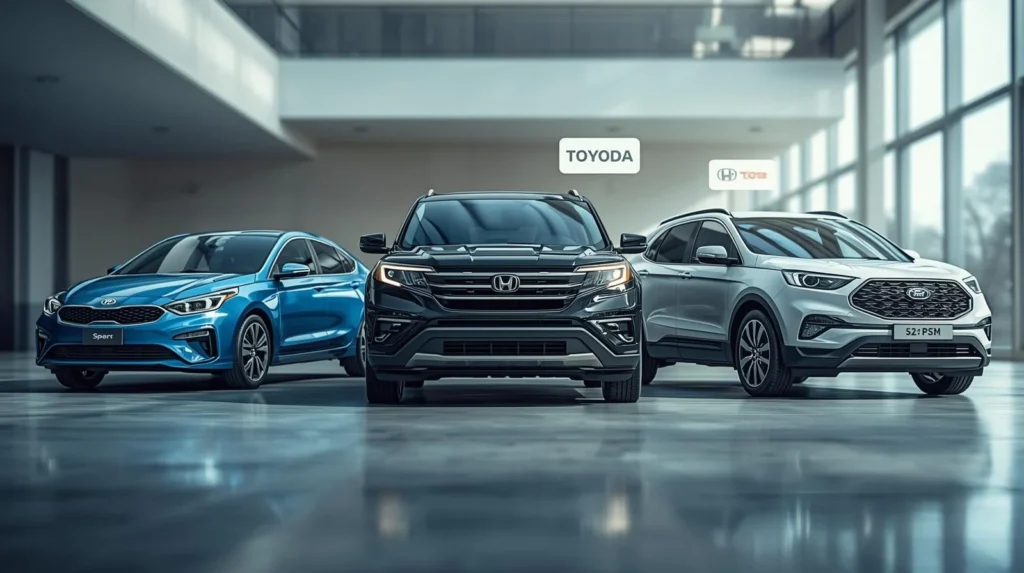

If you’ve ever shopped for a car, filled out insurance details, or chatted with a mechanic, you’ve probably heard the question: “What’s the make of your car?”
A lot of people pause right there.
Is make the model?
Is it the year?
Is it something technical?
You’re not alone. People search for what does make mean for a car because the term sounds simple, yet it’s often misunderstood—especially by first-time buyers, new drivers, or anyone dealing with car paperwork.
This guide clears up the confusion in plain English, using real-life examples, everyday conversations, and practical situations you actually encounter.
What Does Make Mean for a Car – Quick Meaning
Car make refers to the brand or manufacturer of the vehicle.
In simple terms:
- Make = who built the car
- Model = the specific version made by that brand
Examples:
- Toyota is the make, Corolla is the model
- Ford is the make, Mustang is the model
- Honda is the make, Civic is the model
Short quoted examples:
- “My car’s make is Toyota.”
- “The insurance form asks for the make, not the model.”
- “I prefer German car makes like BMW and Audi.”
Origin & Background of the Term “Make”
The word make comes from Old English macian, meaning to build or create. In everyday language, it describes the creator of something.
When automobiles became mainstream in the early 20th century, people needed a way to distinguish who produced the vehicle, not just what it looked like.
Over time:
- Make became the standard term for manufacturer
- Model identified the specific product line
- Governments, insurers, and dealerships adopted this language
Today, the term is universal across:
- Registration documents
- Insurance policies
- Car listings
- Repair manuals
Real-Life Conversations About Car Make
WhatsApp Chat (Buying a Used Car)
Person A:
I found a car online. What should I ask first?
Person B:
Ask the make and model. That tells you everything important to start.
Instagram DMs (Car Enthusiasts)
Person A:
Your car looks sick! What make is it?
Person B:
Thanks! It’s a Mazda—great reliability and fun to drive.
Text Message (Insurance Signup)
Agent:
Please confirm your car’s make.
Customer:
It’s Hyundai.
These conversations show how naturally make fits into everyday car talk.
Emotional & Psychological Meaning of “Make” in Cars
Car makes are more than technical labels—they carry identity, trust, and emotion.
People often connect car makes with:
- Reliability (Toyota, Honda)
- Status (Mercedes, BMW)
- Performance (Porsche, Ferrari)
- Affordability (Kia, Nissan)
Choosing a car make reflects:
- Lifestyle priorities
- Budget comfort
- Personal values
- Long-term expectations
For many drivers, saying “I drive a Ford” or “I’m loyal to Honda” feels personal. The make becomes part of their identity.
Usage in Different Contexts
Social Media
- “What make is your car?”
- “Top 10 most reliable car makes in 2025”
Here, make is casual and conversational.
Friends & Relationships
- “My dad only trusts Japanese makes.”
- “She prefers luxury car makes.”
Used informally but with meaning attached.
Work & Professional Settings
- Insurance claims
- Vehicle registration
- Fleet management
- Auto sales
In these cases, make is formal and precise.
Casual vs Serious Tone
| Context | Tone |
|---|---|
| Friends chatting | Casual |
| Buying/selling | Neutral |
| Legal paperwork | Serious |
Common Misunderstandings About Car Make
1. Confusing Make with Model
Many people say “Corolla” when asked for the make. That’s the model.
2. Thinking Make Includes Year
The year is separate. A 2020 Toyota and a 2024 Toyota share the same make.
3. Using Make for Trim Levels
“Sport,” “Limited,” or “LX” are trims, not makes.
4. Assuming Make Equals Country
Not all Japanese brands are built in Japan, and not all American makes are built in the US.
When You Should NOT Use “Make” Alone
- When ordering parts (model matters)
- When discussing features (trim matters)
- When valuing resale (year matters)
Comparison Table: Make vs Related Terms
| Term | Meaning | Example |
|---|---|---|
| Make | Manufacturer | Toyota |
| Model | Product line | Camry |
| Trim | Feature package | XLE |
| Year | Production year | 2022 |
| Brand | Marketing identity | Ford |
Key Insight:
The make tells you who built the car, while everything else explains what version it is.
Variations & Types of Car Makes
- Domestic Makes – Brands from your home country
Example: Ford (USA) - Import Makes – Brands from other countries
Example: Toyota (Japan) - Luxury Makes – Premium vehicles
Example: BMW, Mercedes-Benz - Economy Makes – Budget-friendly brands
Example: Kia, Hyundai - Electric Makes – EV-focused brands
Example: Tesla - Performance Makes – Speed and handling focused
Example: Ferrari - Commercial Makes – Trucks and vans
Example: Isuzu - Legacy Makes – Long-established brands
Example: Chevrolet - Emerging Makes – New market entrants
Example: Rivian
How to Respond When Someone Asks About Car Make
Casual Replies
- “It’s a Honda.”
- “Toyota—super reliable.”
Funny Replies
- “The kind that doesn’t break my wallet.”
- “The make is ‘still running,’ thankfully.”
Mature & Confident Replies
- “It’s a Mazda. I value reliability and design.”
Private or Respectful Replies
- “I’d rather not share details, but it’s a common make.”
Regional & Cultural Usage
Western Culture
Car make is a major status symbol and lifestyle choice.
Asian Culture
Make often reflects practicality, resale value, and family trust.
Middle Eastern Culture
Luxury and performance makes are more prominent.
Global Internet Usage
Online marketplaces, forums, and reviews always separate make, model, and year for clarity.
FAQs About Car Make
What does make mean for a car?
It means the brand or manufacturer of the vehicle.
Is make the same as model?
No. Make is the brand; model is the specific vehicle type.
Why do forms ask for car make?
It helps identify the manufacturer for legal, insurance, and service purposes.
Can two cars have the same make but different models?
Yes, very common.
Does car make affect insurance?
Yes. Repair costs and reliability vary by make.
Is car make important when selling?
Absolutely. Buyers often search by make first.
Conclusion
So, what does make mean for a car?
It simply tells you who built it—the brand behind the vehicle.
But in real life, make goes beyond definition. It signals trust, personality, value, and long-term expectations. Whether you’re buying your first car, filling out insurance paperwork, or chatting with friends, understanding car make helps you speak the language of driving with confidence.
Once you know the make, everything else—model, year, features—falls neatly into place.