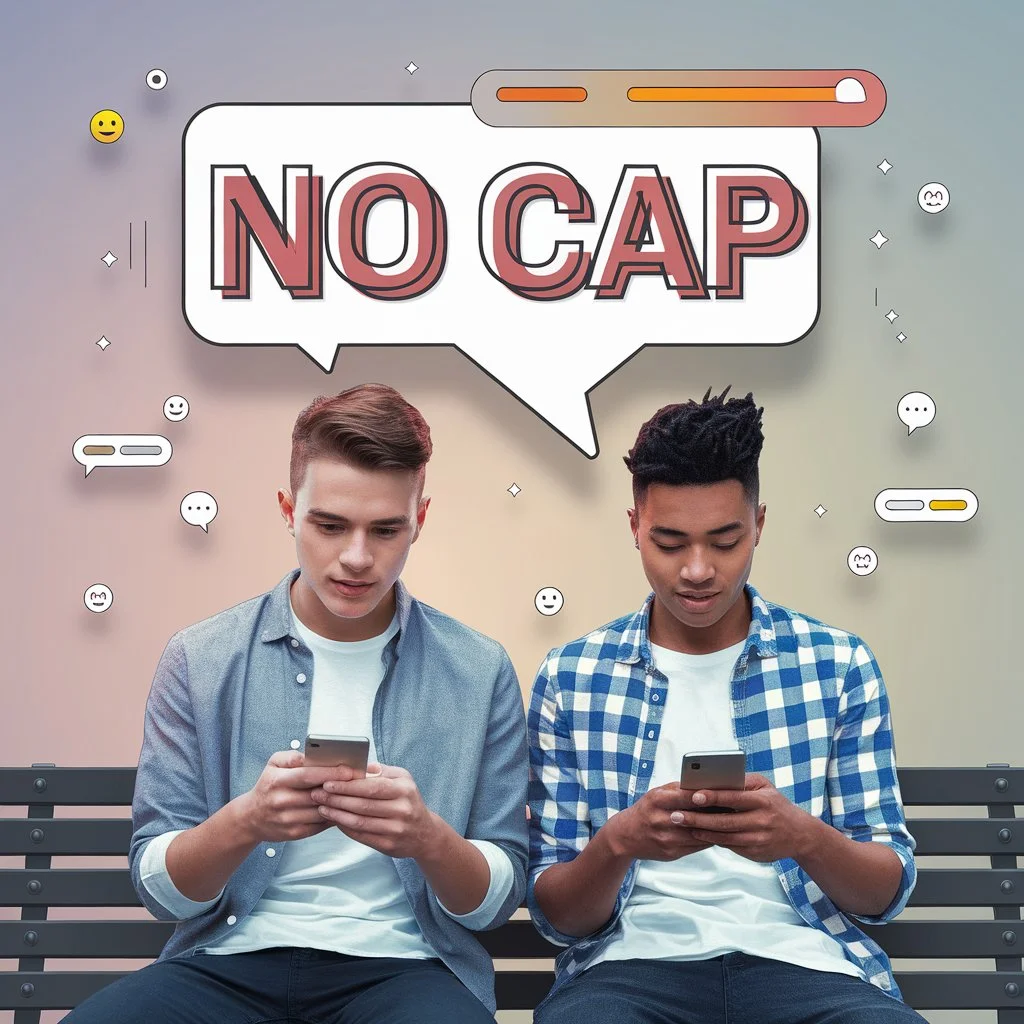

“No cap” means “no lie” or “I’m telling the truth.” In texting and online slang, people use it to emphasize honesty or to show that what they’re saying is completely real.
This phrase appears frequently in casual conversations on social media platforms like TikTok, Snapchat, Instagram, and messaging apps. Many people search for its meaning after seeing it in comments, captions, or chats.
Because internet slang spreads quickly, new phrases often become popular before everyone understands them. If you’ve seen someone say “no cap” and wondered what it means, this guide explains everything in simple terms.
Meaning & Explanation
What Does “No Cap” Mean in Slang?
The slang phrase “no cap” means someone is being honest or telling the truth.
It is commonly used in casual chat to emphasize that a statement is genuine.
Example:
“I think that was the best burger I’ve ever had, no cap.”
Here, the speaker is stressing that they are serious and not exaggerating.
“No Cap” Meaning in Text
In texting, the phrase acts like a truth confirmation.
People use it to reinforce statements such as:
- Something impressive
- A personal opinion
- A surprising claim
Example:
“I finished the entire series in one night, no cap.”
“No Cap” Slang Meaning
In internet slang:
- Cap = a lie or exaggeration
- No cap = no lie / telling the truth
Example:
“That story sounds like cap.”
Meaning: It sounds fake.
“No cap, it really happened.”
Meaning: It’s true.
What Does “No Cap” Mean in Chat?
In casual chat conversations, the phrase is often added at the end of a sentence to reinforce honesty.
Example chat:
Friend 1: That game was incredible.
Friend 2: Really?
Friend 1: Yeah, best one I’ve played this year, no cap.
“No Cap” Meaning on Snapchat
On Snapchat, the phrase is commonly used in quick messages or story replies.
Example:
“Your new haircut looks amazing, no cap.”
This simply means the person genuinely likes it.
“No Cap” Meaning on Instagram, TikTok, and WhatsApp
Across social media platforms, the phrase works the same way.
Instagram: Often appears in captions or comments.
Example: “This was the best vacation ever, no cap.”
TikTok: Frequently used in captions or meme videos.
Example: “This snack combo is elite, no cap.”
WhatsApp: Used in casual group chats.
Example: “That restaurant is the best in town, no cap.”
Is “No Cap” an Acronym or Abbreviation?
“No cap” is not an acronym or short form.
Instead, it is:
- A slang phrase
- Derived from spoken language
- Popularized through internet culture
It is part of modern Gen Z vocabulary used in digital communication.
Tone & Context Variations
Like many slang expressions, the meaning of “no cap” can slightly change depending on tone.
Funny Tone
People sometimes use it humorously.
Example:
Friend 1: I could eat pizza every day, no cap.
Friend 2: That’s honestly relatable.
Sarcastic Tone
Sometimes the phrase is used jokingly.
Example:
Friend 1: I totally woke up at 5 AM to exercise… no cap.
Friend 2: Sure you did.
Here, the sarcasm suggests the opposite.
Romantic Tone
It can also appear in compliments.
Example:
Person A: You look amazing today, no cap.
Person B: That’s sweet of you.
The phrase reinforces sincerity.
Angry Tone
Occasionally it emphasizes frustration.
Example:
Friend 1: That was the worst customer service ever, no cap.
Friend 2: I believe it.
Playful Tone
In playful conversations, it adds personality.
Example:
Friend 1: That dessert might be the best thing I’ve eaten all week, no cap.
Friend 2: Now I need to try it.
Real Chat Examples
Here are realistic examples of how people use the phrase in texting.
Example 1
A: That movie was incredible, no cap.
B: Really?
A: Yeah, you need to watch it.
Example 2
A: This coffee shop is amazing, no cap.
B: I’ve heard about it.
A: Let’s go tomorrow.
Example 3
A: I ran five miles today, no cap.
B: That’s impressive.
A: Trying to stay consistent.
Example 4
A: That restaurant has the best pasta, no cap.
B: I’m hungry now.
A: Same.
Example 5
A: That game was intense, no cap.
B: I watched the highlights.
A: The ending was crazy.
Example 6
A: That concert was unforgettable, no cap.
B: I wish I went.
A: It was amazing.
Example 7
A: This playlist is perfect for studying, no cap.
B: Send it to me.
A: I will.
Example 8
A: I stayed up until 3 AM studying, no cap.
B: That’s dedication.
A: I had to prepare.
Example 9
A: That new phone camera is incredible, no cap.
B: I’ve seen the photos.
A: They’re super clear.
Example 10
A: That pizza place is underrated, no cap.
B: Let’s go there tonight.
A: I’m in.
Example 11
A: This weather is perfect today, no cap.
B: It really is.
A: Feels great outside.
Example 12
A: That book was amazing, no cap.
B: I might read it next.
A: You should.
Grammar & Language Role
Part of Speech
“No cap” functions as a phrase or emphasis marker rather than a strict grammatical word.
Sentence Position
It usually appears:
- At the end of a sentence
Example:
“That was the best burger ever, no cap.”
Sometimes it can appear in the middle.
Example:
“No cap, that was the funniest moment today.”
Does It Replace a Sentence?
Sometimes yes.
Example:
Friend 1: Was the concert good?
Friend 2: No cap.
Here it means “Seriously, yes.”
Tone Impact
The phrase adds:
- authenticity
- emphasis
- casual tone
Formal vs Informal Use
“No cap” is considered very informal.
Appropriate places:
- texting friends
- social media posts
- casual chat
Not appropriate in:
- business communication
- professional emails
- academic writing
How to Reply When Someone Says “No Cap”
Here are different ways to respond depending on the tone.
Funny Reply
- “Alright, I believe you.”
- “No cap detected.”
- “Sounds legit.”
Serious Reply
- “That’s impressive.”
- “Good to know.”
- “I believe it.”
Flirty Reply
- “If you say so, I trust you.”
- “Now you’ve got my attention.”
- “That sounds interesting.”
Neutral Reply
- “Okay.”
- “Got it.”
- “Nice.”
Comparison Table
| Term | Meaning | Formal/Informal | Tone | Popularity | Risk of Misunderstanding |
|---|---|---|---|---|---|
| No Cap | No lie / telling the truth | Informal | Emphasis | Very popular | Low |
| IDK | I don’t know | Informal | Neutral | Very common | Very low |
| Ion | I don’t | Informal slang | Casual | Moderate | Medium |
| Dunno | Don’t know | Informal | Relaxed | Common | Low |
| IDC | I don’t care | Informal | Dismissive | Common | Medium |
Who Uses This Term?
Age Group
The phrase is most popular among:
- teenagers
- young adults
Gen Z vs Millennials
Gen Z uses it frequently in everyday conversations.
Millennials may recognize it but use it less often.
Regional Popularity
The phrase started mainly in the United States, but internet culture helped it spread globally.
Today, people in many countries understand it.
Platforms Where It’s Common
Most common platforms:
- TikTok
- Snapchat
- Discord
- texting apps
These platforms encourage fast, casual communication.
Origin & Internet Culture Insight
The phrase “no cap” comes from African American Vernacular English (AAVE).
In this context:
- Cap means a lie or exaggeration.
- No cap means no lie.
The phrase became widely recognized through hip-hop music and internet culture.
As musicians and influencers used the expression, it spread across social media.
TikTok Trend Influence
TikTok played a major role in making the phrase mainstream.
Many videos include captions like:
“No cap, this is the best snack combo ever.”
Meme culture and relatable content helped push the phrase into everyday online vocabulary.
Because TikTok trends spread rapidly, slang phrases often gain global popularity within months.
Safety & Appropriateness
Is It Rude?
No. The phrase is generally harmless.
Is It a Bad Word?
No. It’s simply a slang phrase.
Should You Use It in School or Work?
It depends on context.
Appropriate in:
- casual conversation
- social media
Avoid in:
- academic assignments
- professional communication
Experience-Based Insight
In real conversations online, people usually use “no cap” to strengthen opinions.
For example, when someone recommends a movie or restaurant, they may add the phrase to show they are serious.
It often appears in friendly conversations where people want to sound genuine and enthusiastic.
Because of its expressive tone, the phrase feels more personal than simply saying “I’m serious.”
Frequently Asked Questions
What does no cap mean in text?
It means someone is telling the truth or being honest.
Is no cap rude?
No, it’s not rude. It’s just informal slang used in casual conversations.
What does no cap mean on Snapchat?
On Snapchat, it emphasizes that someone is serious or telling the truth.
Is no cap the same as IDK?
No. IDK means “I don’t know,” while no cap means “no lie.”
Can adults use no cap?
Yes, but it’s mainly used by younger internet users.
How do you respond to no cap?
You can reply normally, such as saying “I believe you,” “That’s impressive,” or continuing the conversation.
Final Summary
The phrase “no cap” simply means “no lie” or “I’m telling the truth.”
It’s a popular internet slang term used in casual chat, texting, and social media conversations.
Key points to remember:
- It emphasizes honesty
- It’s common among Gen Z
- It appears frequently on TikTok and Snapchat
Usage Tips
Use it when talking casually with friends online.
Example:
“That restaurant is amazing, no cap.”
Common Mistakes
- Using it in professional emails
- Using it in formal writing
When to Avoid It
Avoid using slang like this in:
- workplace communication
- academic assignments
- formal conversations
Understanding phrases like “no cap” helps you follow modern online conversations and communicate more naturally in digital spaces.