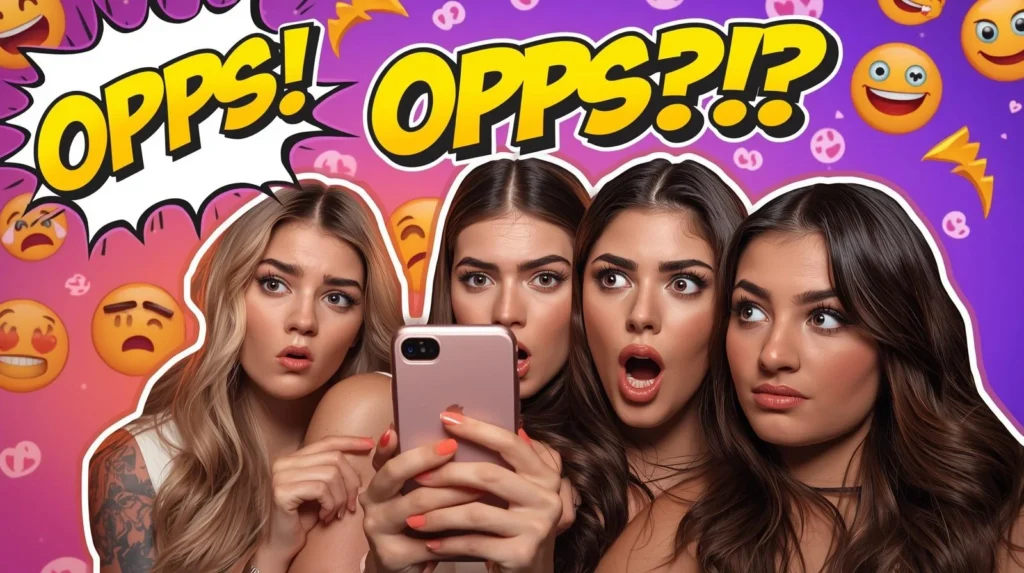

“Opps” in slang usually means enemies, rivals, or people who are against you. In texting and online chat, it refers to multiple opponents or people you don’t trust or get along with. It’s commonly used in casual conversations and social media posts.
Meaning & Explanation of Opps in Slang
Opps Meaning in Text
The opps meaning in text is simple: it refers to more than one “opp,” meaning enemies or rivals.
For example:
- “We saw our opps at the mall.”
- “Stay careful — too many opps around.”
In modern digital communication, people use this slang term to talk about individuals or groups they consider competition, haters, or opponents.
Opps Slang Meaning
The opps slang meaning comes from the word “opposition.”
It can describe:
- Rival friend groups
- Competitors in games or sports
- People who gossip or create drama
- Anyone seen as working against you
This internet slang term became popular through music culture, online communities, and Gen Z vocabulary trends.
What Does Opps Mean in Chat?
In chat conversations, opps usually suggests tension, rivalry, or distrust.
Example:
A: Why didn’t you invite them?
B: They’ve been acting like opps lately.
The word helps express emotions quickly without typing long explanations.
Opps Meaning on Snapchat
On Snapchat, you’ll often see opps in:
- Stories
- Captions
- Private chats
Example captions:
- “Moving smart because of the opps.”
- “No new friends — too many opps.”
Sometimes the tone is serious, but often it’s dramatic or humorous.
Opps Meaning on Instagram, TikTok & WhatsApp
Across platforms, the meaning stays similar but the tone may change.
- Used in meme captions or indirect posts about rivals.
TikTok
- Appears in slang explanation videos, jokes, or storytelling content.
- Common in group chats when discussing conflicts or competition.
Overall, opps is part of modern casual chat phrases used in everyday texting.
Is Opps an Acronym or Typo?
Opps is:
- ✅ A short form derived from “opposition.”
- ❌ Not an acronym
- ❌ Not a phonetic spelling
- ❌ Not a typing mistake
It’s simply a plural slang variation of “opp.”
Tone & Context Variations
Like many internet slang terms, opps can sound very different depending on tone.
Funny Tone
Friends often use the word jokingly.
A: You finished the ice cream again.
B: I was hungry.
A: Wow… living with my opps.
Here it creates humor instead of real tension.
Sarcastic Tone
Sometimes people use it to tease.
A: You didn’t like my playlist?
B: It was okay.
A: Okay… didn’t know I had opps at home.
The sarcasm makes the conversation playful.
Romantic Tone
Couples may use it during light arguments.
A: You chose gaming over dinner.
B: I’ll make it up tomorrow.
A: Hmm… sounds like something my opps would say.
The tone is affectionate and teasing.
Angry Tone
In serious conflicts, the word carries real frustration.
A: They spread rumors about us.
B: Yeah, they’re definitely our opps.
Here it signals distrust or hostility.
Playful Tone
Used casually among friends.
A: Whoever hides the remote is an opp.
B: Then I guess I’m guilty.
Real Chat Examples (Natural & Relatable)
Conversation 1
A: Did you see them talking about us?
B: Yeah.
A: Looks like we got new opps.
Conversation 2
A: Stop taking my hoodie.
B: Finders keepers.
A: I swear I live with opps.
Conversation 3
A: Our team lost again.
B: The other players were good.
A: Those opps trained hard.
Conversation 4
A: Who told the teacher?
B: No idea.
A: Must be one of the opps.
Conversation 5
A: She unfollowed me.
B: Seriously?
A: Yep… turning into the opps now.
Conversation 6
A: Someone ate my lunch.
B: Maybe you forgot it at home.
A: Nope… cafeteria full of opps.
Conversation 7
A: You beat me again.
B: Skill issue.
A: You’re joining the opps list.
Conversation 8
A: Why are they ignoring us?
B: No idea.
A: That’s classic opps behavior.
Conversation 9
A: The rain ruined our plans.
B: So unlucky.
A: Weather acting like the opps.
Conversation 10
A: Did you finish the group project alone?
B: Yeah.
A: Wow… teammates turned into opps.
Conversation 11
A: Someone leaked the surprise party.
B: That’s messed up.
A: We definitely got opps around.
Conversation 12
A: Why didn’t they invite us?
B: Maybe they forgot.
A: Or maybe they’re the opps.
Grammar & Language Role
Part of Speech
Opps functions as a plural noun.
Example:
- “The opps are watching.”
Sentence Position
It can appear:
- Beginning: “Opps everywhere today.”
- Middle: “We ran into our opps at school.”
- End: “They’re acting like opps.”
Can It Replace a Full Sentence?
Yes.
Example:
A: Did they betray you?
B: Opps.
This single word can express an entire idea.
Tone Impact
Tone can be:
- Serious
- Dramatic
- Humorous
- Sarcastic
Understanding context is essential.
Formal vs Informal Use
Opps is very informal.
Avoid using it in:
- Business communication
- Academic writing
- Professional emails
Use it mainly in casual digital conversations.
How to Reply When Someone Says Opps
Funny Reply
- “Guess I need better security.”
- “Not the opps again.”
Serious Reply
- “What happened between you?”
- “Are you okay?”
Flirty Reply
- “If I’m one of your opps, why are you smiling?”
Neutral Reply
- “Oh, I understand.”
- “That sounds complicated.”
Comparison Table
| Term | Meaning | Formal/Informal | Tone | Popularity | Risk of Misunderstanding |
|---|---|---|---|---|---|
| Opps | Enemies or rivals | Informal | Playful/Serious | Growing | Medium |
| IDK | I don’t know | Informal | Neutral | Very high | Low |
| ION | I don’t | Informal | Casual | Moderate | Medium |
| Dunno | Don’t know | Informal | Relaxed | Medium | Low |
| IDC | I don’t care | Informal | Dismissive | High | Medium |
Who Uses This Term?
Age Group
Mostly used by:
- Teenagers
- College students
- Young adults
Gen Z vs Millennials
Gen Z
- Uses slang like opps frequently
- Active on TikTok and Snapchat
Millennials
- Understand the term
- Use it mostly jokingly
Regions
Common in:
- United States
- United Kingdom
- Global internet culture
Platforms Where It’s Popular
- TikTok
- Snapchat
- Discord
These platforms support fast, informal communication styles.
Origin & Internet Culture Insight
The slang opps evolved from street and hip-hop vocabulary where “opposition” meant rival groups.
TikTok Influence
Short videos explaining slang helped spread the term worldwide.
Meme Culture
Memes exaggerate everyday problems by calling them opps, like:
- “Monday mornings are my biggest opps.”
Fast Typing Culture
Texting encourages short words. Instead of writing “enemies,” people type opps for speed.
Safety & Appropriateness
Is Opps Rude?
Not always.
It can sound negative depending on tone and context.
Is It a Bad Word?
No. It is not offensive language.
Should You Use It in School or Office?
It’s safer to avoid it in formal settings.
Use it mainly with:
- Friends
- Social media audiences
- Casual chats
Experience-Based Insight
In real online conversations, opps is often used dramatically for humor rather than real hostility. People may call their friends “opps” after losing a game, arguing about food, or teasing each other. This shows how internet slang becomes playful over time.
SEO FAQ
What does opps mean in text?
It means enemies, rivals, or people working against you.
Is opps rude?
Not necessarily. It depends on tone and relationship.
What does opps mean on Snapchat?
It refers to people you distrust or compete with.
Is opps the same as IDK?
No. IDK means “I don’t know,” while opps refers to rivals.
Can adults use opps?
Yes, but it’s mostly popular among Gen Z users.
How do you respond to opps?
You can reply humorously, seriously, or neutrally depending on context.
Does opps always mean real enemies?
No. It is often used jokingly.
Why is opps popular online?
Because it is short, expressive, and trendy in meme culture.
Summary
The slang opps means enemies, rivals, or people against you, especially in texting and social media conversations. It is a plural form of opp and reflects modern Gen Z internet communication styles.
Usage Tips
- Use it in casual chats only
- Pay attention to tone
- It works well in jokes and memes
Common Mistakes
- Using it in formal communication
- Assuming it always means serious conflict
- Misunderstanding sarcastic tone
When to Use
- Friendly teasing
- Social media captions
- Casual group chats
When to Avoid
- Workplace messages
- School assignments
- Professional emails