
If you’ve ever searched “what does the name Adam mean,” you’re probably looking for more than just a dictionary definition.
Maybe you’re choosing a baby name.
Maybe you’re curious about your own name.
Or maybe you met someone named Adam and wondered what the name carries behind it.
Adam is one of the most recognizable names in the world. It feels simple, strong, and timeless. But beneath that simplicity lies deep history, spiritual meaning, and cultural weight.
Let’s explore what the name Adam truly means—beyond just the surface.
What Does the Name Adam Mean – Quick Meaning
At its core, the name Adam means:
- “Man”
- “Human being”
- “Earth” or “ground”
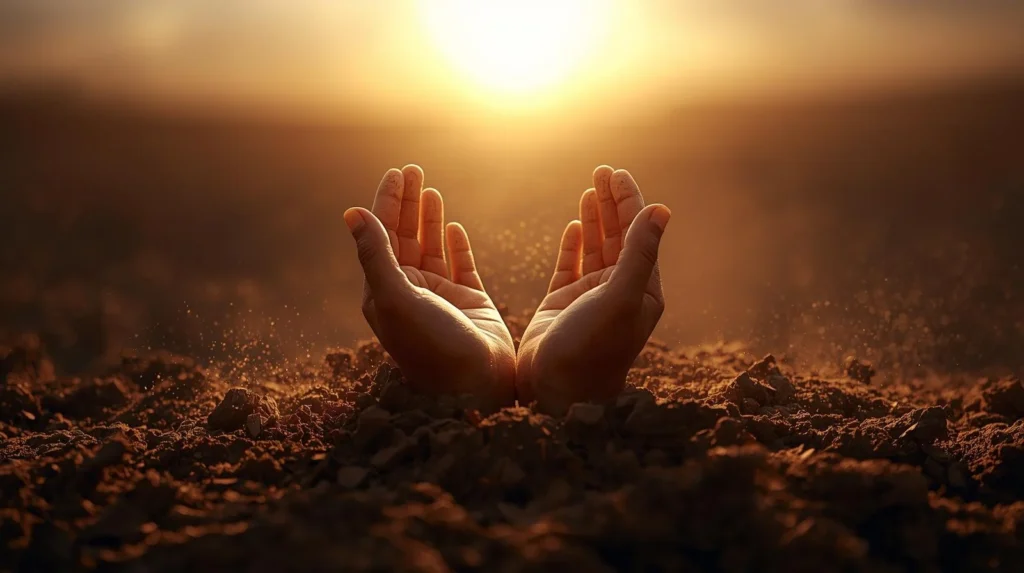
The name comes from the Hebrew word “adamah,” which means soil or earth.
In simple terms:
Adam means “the first man” or “man formed from the earth.”
A few short examples:
“Adam means humanity itself.”
“The name Adam represents origin and beginning.”
“Adam literally connects humans to the earth.”
It’s one of the most foundational names in history.
Origin & Background
The name Adam originates from ancient Hebrew texts, particularly the Book of Genesis in the Bible.
In the biblical story, Adam is described as the first human created by God, formed from the dust of the ground. The connection between “Adam” and “adamah” (earth) reflects that origin story.
But Adam is not just a biblical name.
It appears in:
- Judaism
- Christianity
- Islam
- Historical Semitic cultures
In Islamic tradition, Adam (Aadam) is also regarded as the first prophet. This gives the name deep spiritual importance across religions.
Over centuries, Adam spread throughout Europe, the Middle East, and eventually across the globe. Unlike many names that rise and fall with trends, Adam has remained consistently popular.
It feels classic. Stable. Grounded.
And that consistency says something.
Real-Life Conversations
WhatsApp Chat
Person A: We’re thinking of naming the baby Adam.
Person B: That’s such a strong name. Classic choice.
Person A: Exactly. Simple but powerful.
Instagram DM
Person A: Why does Adam sound so timeless?
Person B: Because it literally goes back to the beginning of humanity.
Text Message
Person A: I’ve always liked the name Adam.
Person B: Same. It feels calm and dependable.
These are real reactions people have. The name feels familiar and steady.
Emotional & Psychological Meaning
Names carry emotional weight, whether we realize it or not.
Adam often feels:
- Grounded
- Masculine but gentle
- Stable
- Trustworthy
- Foundational
Psychologically, people tend to associate the name Adam with someone reliable. It doesn’t feel flashy. It doesn’t feel extreme. It feels balanced.
Because of its meaning—“man” or “human”—Adam symbolizes universality. It represents humanity at its core.
Parents often choose Adam because:
- It’s easy to pronounce.
- It works in many cultures.
- It carries spiritual depth.
- It never feels outdated.
There’s something reassuring about it.
Usage in Different Contexts
1. Social Media
On platforms like Instagram or TikTok, Adam is just a name—but sometimes it becomes part of personality stereotypes.
For example:
- “He looks like an Adam.”
- “Of course his name is Adam.”
Here, it suggests someone normal, friendly, maybe slightly reserved.
Tone: Casual, neutral.
2. Friends & Relationships
In everyday life:
- “Adam is such a dependable guy.”
- “You can always count on Adam.”
The name often carries positive assumptions.
Tone: Warm, respectful.
3. Work or Professional Settings
Adam works well in professional environments.
It sounds:
- Clear
- Authoritative
- Easy to remember
- Internationally acceptable
An email signed “Adam” feels approachable but professional.
4. Casual vs Serious Tone
| Casual | Serious |
|---|---|
| “Adam’s chill.” | “Adam is a name of deep historical significance.” |
| Friendly vibe | Spiritual and historical depth |
The name adapts easily to tone and context.
Common Misunderstandings
1. Adam Only Has Biblical Meaning
While it’s strongly tied to religious texts, Adam also has linguistic and cultural significance beyond religion.
2. Adam Means “Red”
Some interpretations link Adam to redness (because of soil), but the primary meaning is earth or man.
3. Adam Is Outdated
Not true. It remains widely used globally and consistently ranks among classic male names.
4. It’s Only a Western Name
Adam is common in:
- Middle Eastern countries
- Muslim communities
- European nations
- English-speaking countries
It’s globally recognized.
Comparison Table
| Name | Meaning | How It Differs from Adam |
|---|---|---|
| Adam | Man, earth | Foundational human identity |
| Noah | Rest, comfort | Associated with survival story |
| John | God is gracious | More theological meaning |
| David | Beloved | Emotional meaning |
| Eve | Life | Feminine counterpart |
Key Insight:
Adam represents humanity itself, while other names reflect specific traits or stories.
Variations / Types of Adam
- Aadam
Arabic spelling; used widely in Muslim communities. - Adem
Turkish and Bosnian variation. - Adão
Portuguese version. - Adán
Spanish variation. - Adamo
Italian form. - Adamas
Ancient Greek connection, meaning “unbreakable” (linguistically separate but historically linked in sound). - Ademir
Extended name in some cultures. - Adamson
Surname meaning “son of Adam.” - Adams
Patronymic surname. - Adamu
African variation used in parts of West Africa.
Each version carries the same foundational meaning but adapts culturally.
How to Respond When Someone Uses It
If someone asks about the name Adam, here’s how you might respond:
Casual Replies
- “It means man or earth.”
- “It’s one of the oldest names ever.”
Funny Replies
- “Literally the original human.”
- “The first-ever username.”
Mature / Confident Replies
- “It symbolizes humanity and origin.”
- “It’s deeply rooted in religious and linguistic history.”
Private or Respectful Replies
If someone shares their name is Adam:
- “That’s a timeless name.”
- “It carries a lot of history.”
- “Strong choice.”
Regional & Cultural Usage
Western Culture
In Western countries, Adam is viewed as a biblical, classic masculine name. It peaked in popularity during the late 20th century but remains steady.
Asian Culture
Less common traditionally, but increasingly used in Christian communities and international families.
Middle Eastern Culture
Highly respected due to religious significance. Often spelled Aadam or Adem.
It symbolizes prophetic lineage and spiritual importance.
Global Internet Usage
Online, Adam doesn’t function as slang. Instead, it’s often used neutrally or humorously in memes about “default guy names.”
Still, its cultural weight remains strong.
FAQs
1. What does the name Adam literally mean?
Adam literally means “man” or “earth” in Hebrew.
2. Is Adam a religious name?
Yes, it appears in Judaism, Christianity, and Islam.
3. Is Adam still a popular name?
Yes. It remains widely used across many countries.
4. What personality traits are associated with Adam?
People often associate Adam with stability, calmness, and reliability.
5. What is the female version of Adam?
Eve is traditionally considered the biblical female counterpart.
6. Is Adam used outside religious contexts?
Yes. Many families choose it for its simplicity and timeless appeal.
7. How do you pronounce Adam?
Typically pronounced “AH-dam” or “AY-dam,” depending on accent.
Conclusion
So, what does the name Adam mean?
At its simplest, it means man, earth, humanity.
But emotionally, it represents something deeper—origin, grounding, beginning.
It’s a name that has survived thousands of years without losing relevance. That alone says something powerful.
Whether you’re choosing it for a child, researching your own name, or simply curious, Adam carries a quiet strength.
It doesn’t need to shout.
It has history on its side.