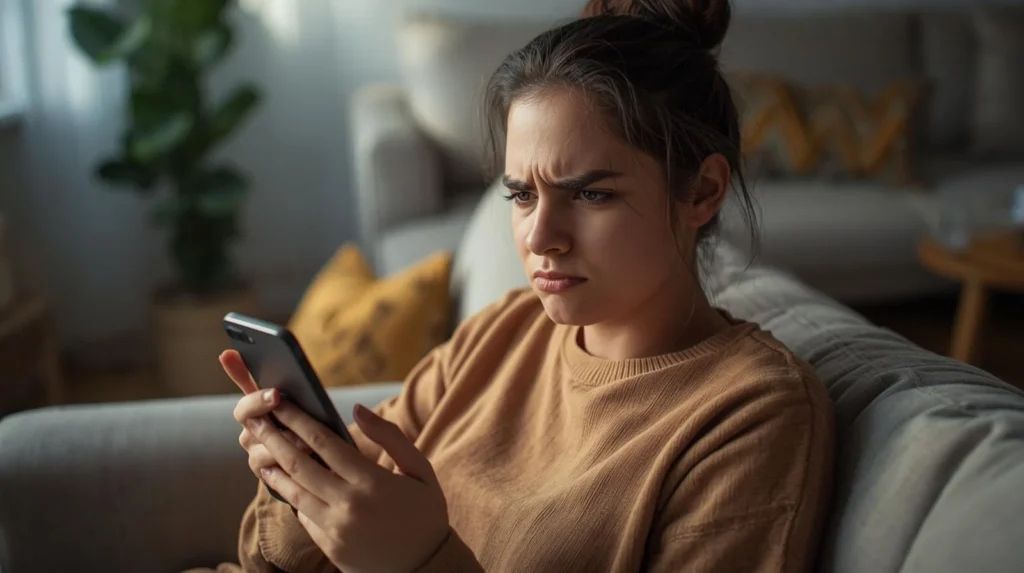

You’ve probably seen “SMH” in a text, comment, or meme and wondered what emotion it’s supposed to carry.
Is it anger? Disappointment? Sarcasm?
That confusion is exactly why people search “whats smh mean” — because this tiny abbreviation can express a lot without saying much.
Let’s unpack it in plain, everyday language.
Whats SMH Mean – Quick Meaning
SMH stands for “Shaking My Head.”
It’s used to show:
- Disappointment
- Disbelief
- Frustration
- Mild embarrassment (sometimes playful)
Examples:
“He forgot his wallet again. SMH.”
“You really said that in the meeting? SMH.”
“I stayed up late for nothing, smh.”
Origin & Background
SMH started in early internet forums and texting culture where people shortened reactions to save time.
Instead of typing “I’m shaking my head at this,” users typed SMH. Over time, it became shorthand for expressing a reaction that words alone couldn’t capture — like a silent gesture turned digital.
Social media made it mainstream. Twitter, Facebook comments, and memes spread it globally.
Today, it’s one of the most recognizable reaction abbreviations online.
Real-Life Conversations
Text Message
Person A: I missed the bus again.
Person B: SMH you never wake up on time.
Instagram DM
Person A: He wore socks with sandals.
Person B: SMH fashion crimes.
TikTok Comments
Person A: I failed the test because I didn’t study.
Person B: SMH you knew it was today!
Emotional & Psychological Meaning
SMH represents a non-verbal reaction turned into text.
It reflects:
- Judgment without aggression
- Frustration mixed with humor
- Emotional distance
- A “you should know better” feeling
Psychologically, it allows people to express disappointment without escalating conflict. It’s lighter than anger but stronger than simple surprise.
Usage in Different Contexts
Social Media
Common in memes, comments, and captions reacting to something silly or frustrating.
Friends & Relationships
Used playfully or seriously depending on tone.
Work or Professional Settings
Not appropriate. It can seem disrespectful.
Casual vs Serious
Casual tone = playful frustration
Serious tone = real disappointment
Common Misunderstandings
| Misunderstanding | Truth |
|---|---|
| It means anger | Usually mild frustration |
| It’s always negative | Sometimes playful |
| It’s professional slang | No |
| Everyone uses it seriously | Tone changes meaning |
Avoid SMH in formal conversations — it can feel rude.
Comparison Table
| Term | Meaning | Tone |
|---|---|---|
| SMH | Disbelief/frustration | Mild reaction |
| OMG | Surprise/shock | Emotional |
| LOL | Laughter | Positive |
| Facepalm | Embarrassment/disbelief | Similar gesture |
| Sigh | Tired/frustrated | Softer reaction |
Key Insight: SMH is a digital version of a silent head shake.
Variations / Types
- SMH fr – “Shaking my head for real”
- SMH my head – Emphasized reaction
- SMH lol – Frustration mixed with humor
- Big SMH – Strong disbelief
- SMH at this – Direct reaction
- SMH bro – Friendly frustration
- SMH seriously – Strong disappointment
- SMH again – Repeated mistake reaction
- SMH wow – Shock + disbelief
How to Respond When Someone Uses It
Casual Replies
- “I know, right?”
- “Don’t remind me 😭”
Funny Replies
- “Let me embarrass myself in peace.”
Mature Replies
- “Yeah, I could’ve handled that better.”
Respectful Replies
- “I understand your reaction.”
Regional & Cultural Usage
Western Culture
Very common online.
Asian Culture
Mostly used in digital chats.
Middle Eastern Culture
Understood online but less used offline.
Global Internet
Widely recognized reaction slang.
FAQs
Is SMH rude?
It can be if used seriously.
Does SMH mean anger?
Not usually — more disappointment.
Can I use SMH at work?
No.
Is SMH outdated?
Still widely used.
Can it be funny?
Yes.
Conclusion
Understanding whats smh mean helps you catch the emotional tone behind modern digital conversations.
It’s a quick way to show disbelief or frustration without long explanations — a simple gesture turned into text.
Like body language, its meaning depends on tone and relationship.